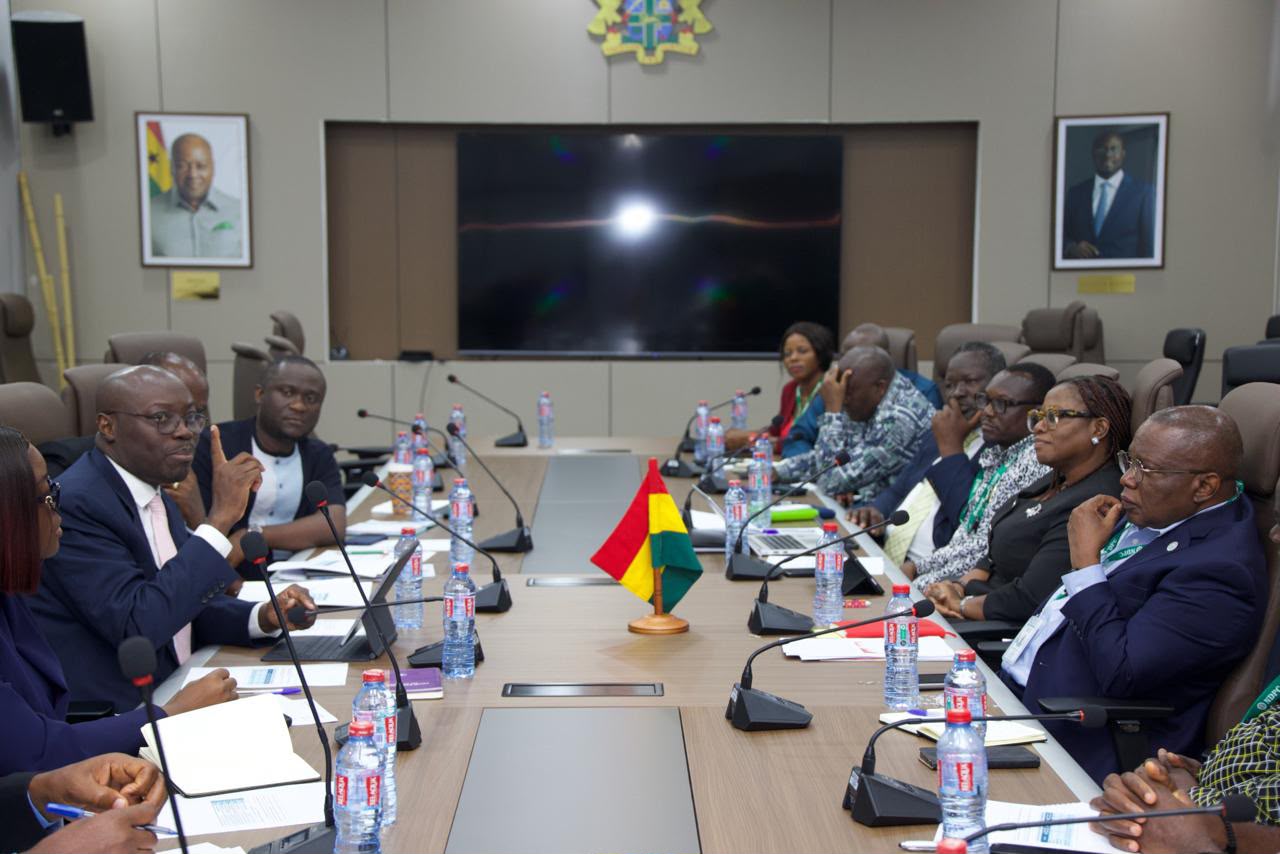
NDPC Deepens Stakeholder Engagement on Consolidated National Development Plan in Bono East Region
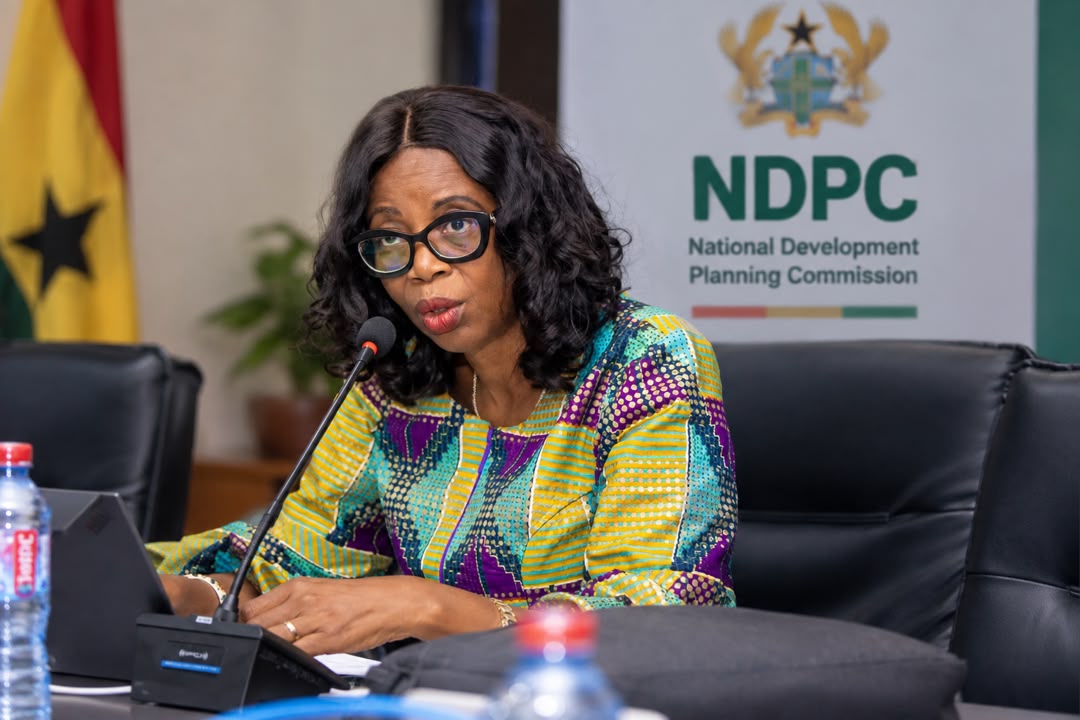
The Director-General of the National Development Planning Commission (NDPC), Dr Audrey Smock Amoah, has emphasised that effective planning remains the foundation for sustainable growth, equitable development, and shared prosperity across Ghana.
Speaking at a strategic regional consultative engagement held at the Bono East Regional Coordinating Council with MMDAs and key stakeholders on the preparation of the Consolidated National Development Plan, she outlined the Commission’s constitutional and legislative mandate in guiding Ghana’s development planning system. She explained that the Commission operates primarily under Acts 479 and 480, which establish the NDPC and regulate the decentralised planning system. These legal frameworks ensure the coordination of planning activities from the national level to the district level. “Wherever one lives in Ghana, development should not be a disadvantage. Ensuring even development is central to our mandate,” she stated, stressing the importance of alignment, accountability, and disciplined implementation across all levels of governance.
Dr Amoah further highlighted the five key dimensions of the Medium-Term National Development Policy Framework (2026 to 2029): economic development; social development; environment, infrastructure and spatial development; governance and institutional development; and international relations. She noted that these pillars provide a coherent structure for translating national priorities into actionable regional and district plans.
Touching on implementation challenges, the Director-General urged local authorities to prioritise the completion of ongoing and near-completion projects before initiating new ones. She cautioned that delays at any level of the planning chain affect national progress. “Projects are not awarded for record-keeping purposes. They are meant to solve problems and meet needs,” she said. She also outlined the importance of quarterly monitoring and Annual Progress Reporting, explaining that district outputs feed into regional and ultimately national assessments, reinforcing the interconnected nature of Ghana’s planning system.
On the broader national vision, Dr Amoah elaborated on the development of a Consolidated National Development Plan, which seeks to harmonise previous frameworks into one coherent national direction. She explained that the consolidated plan will align district and regional priorities with national objectives to ensure policy continuity beyond political cycles. “Without a long-term plan, projects may change direction with political transitions, and resources may be wasted. With a consolidated plan, development becomes continuous, projects are sustained, and institutional memory is preserved,” she stated.
She further highlighted the Ghana Infrastructure Plan as a central pillar of the consolidated framework, integrating long-term investments in energy, water, roads, housing, ICT, and social infrastructure. “We are not developing one sector in isolation. We are moving all sectors along the same national course. And at the centre of this infrastructure plan is one word: prosperity,” she said.
In his welcome address, the Bono East Regional Minister, Hon. Francis Owusu Antwi, commended the NDPC for its inclusive and consultative approach in engaging stakeholders across all sixteen regions. “Inclusive consultation ensures that development planning responds to the real needs of our people and ultimately leads to more sustainable and impactful outcomes,” he stated. He emphasised that broad-based participation would strengthen national consensus and ensure that development priorities reflect both regional diversity and the aspirations of citizens.
Providing a regional perspective, the Bono East Regional Economic Planning Officer, Madam Beatrice Kwartei Asare, presented an overview of the region’s profile, highlighting its strategic central location and strong agricultural base. She identified key opportunities in agro-industrialisation, tourism development, and youth employment, while acknowledging challenges such as inadequate irrigation infrastructure and gaps in road and utility networks. “With coordinated planning, stakeholder collaboration, and sustained investment, we can transform our region into a model of inclusive and sustainable growth,” she said, calling for strengthened partnerships among government, traditional authorities, the private sector, civil society, and citizens.
Prof. John Akparep, the Bono East Regional Representative on the Commission, supported the Director-General in the presentation of the certificates of approval of the Medium-Term Development Plans for 2026-2029 planning period of districts in the Bono East Region.
END
NDPC PR-UNIT